
Imagine a graveyard of rotten insect carcasues. The flesh has been consumed but the bones sit bare to rot.
What kind of creature do you picture that has consumed these insects? A species of bird? Lizard? Amphibian?
How about a plant.
Carnivorous plants are a whole new kind of adventure for an amateur gardener. They are definitely not the kind of plant you decide to buy on a whim as you browse the nursery section of your Bunnings.
But that’s what I did.
I saw her in the local Bunnings, sitting there among those ‘other’ type of plants, I was drawn. So I picked her up, and I knew full well what I would be getting into, I knew full well why I never bought one before, but holding her in that plant isle, there was no way I was putting her back. I thought there was a reason I found her there that day, as venus fly traps are never usually in my local Bunnings, it felt like she was there for me to find her.
My introduction to the world of the carnivorous plant
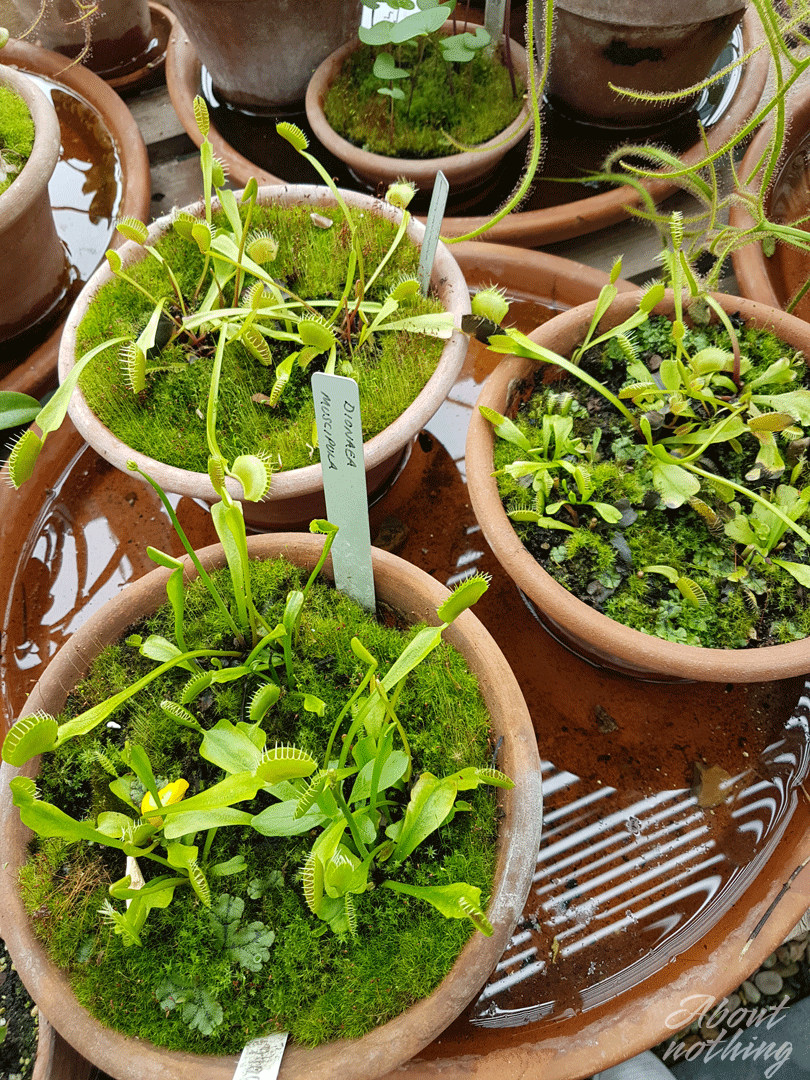
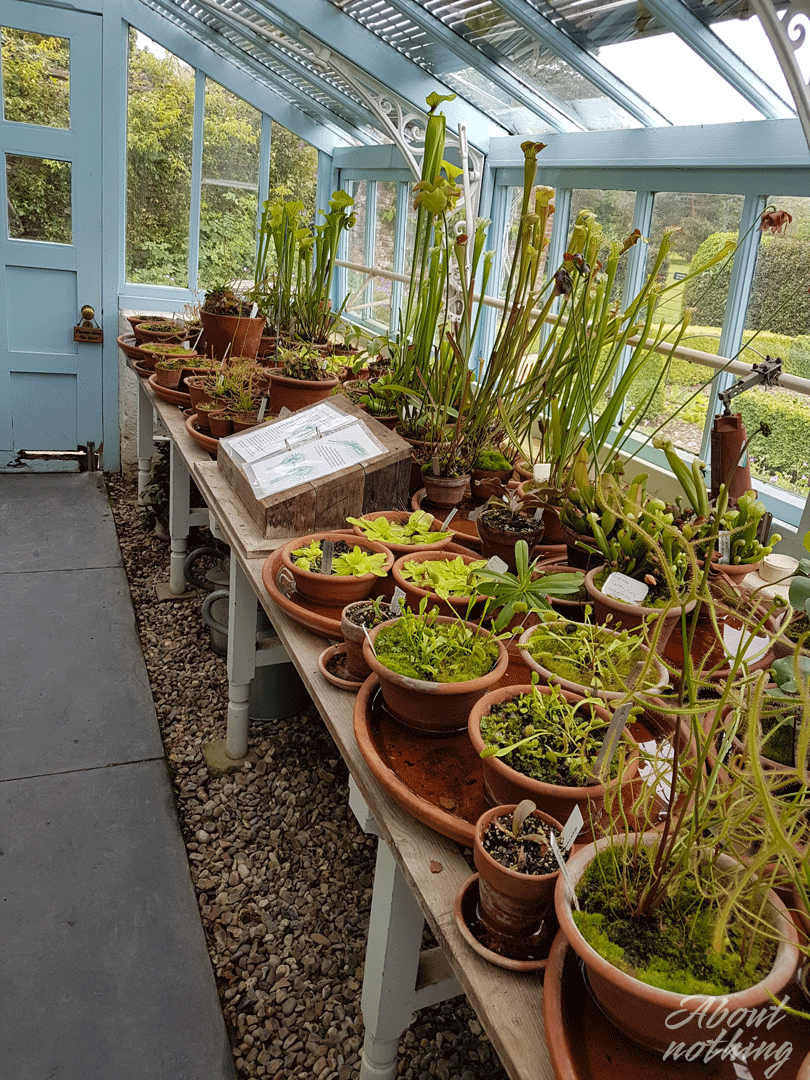
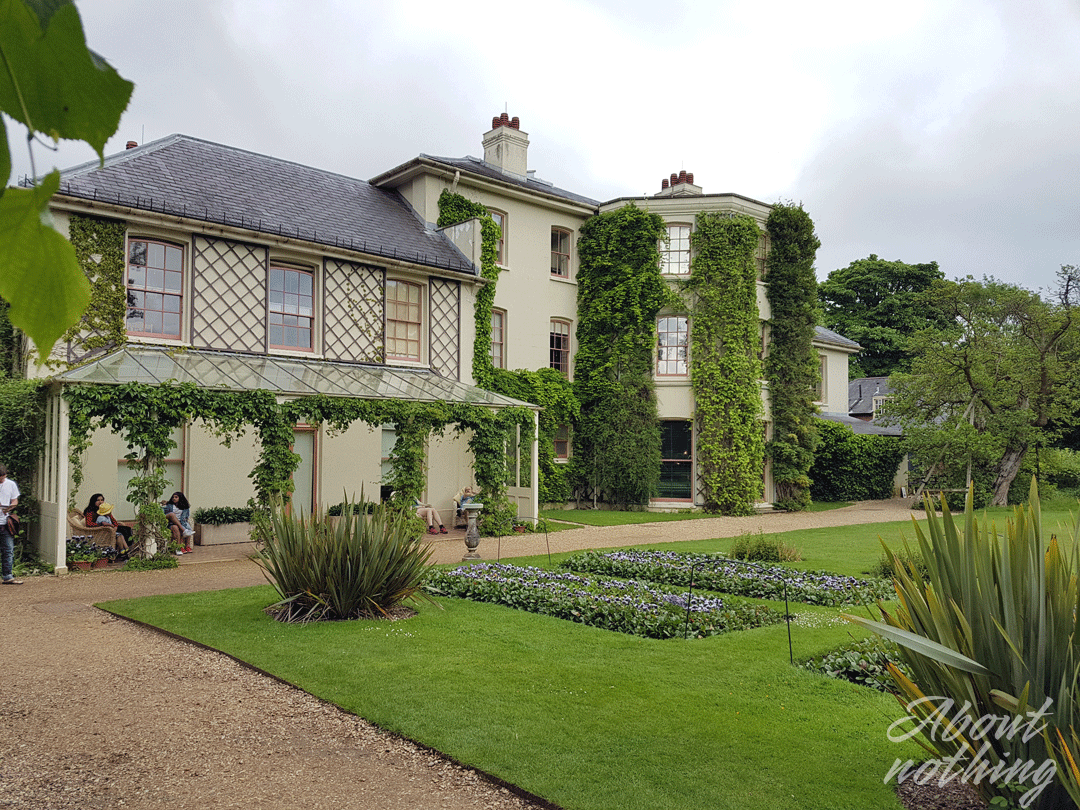
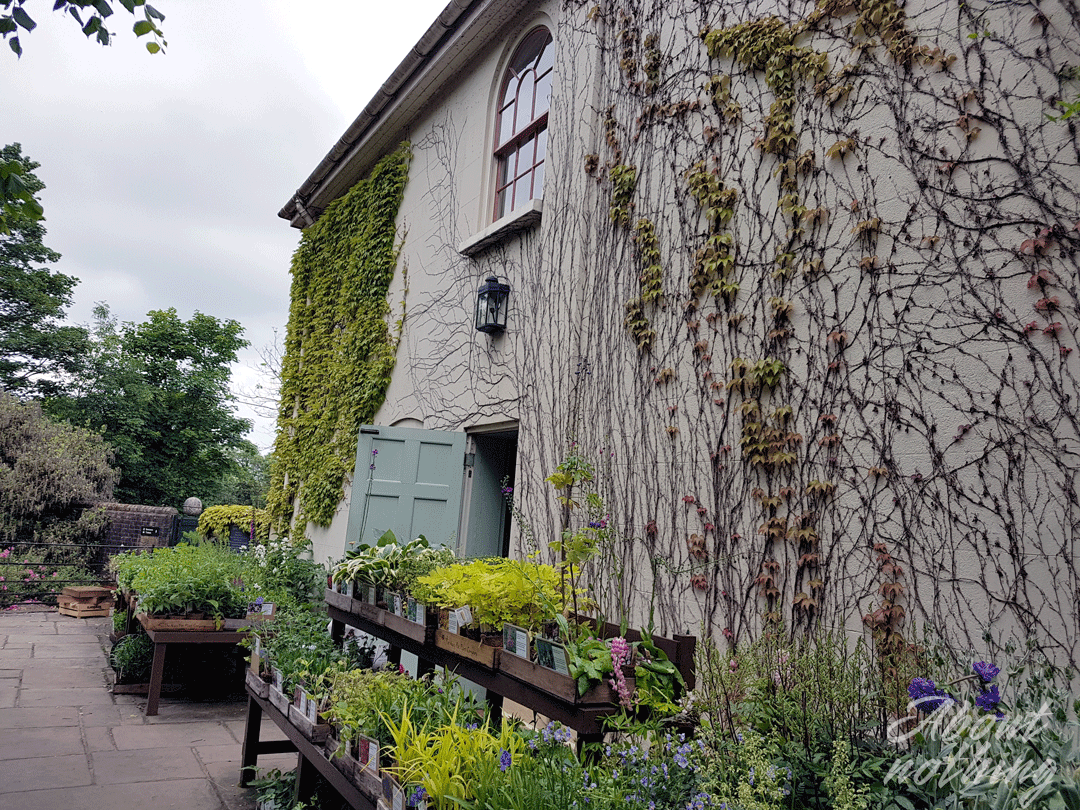
My initial interest in venus fly traps began in 2017 was when I was visiting ‘Down House’, the home of Charles Darwin in Kent, England. Darwin kept rows after row of plants and a maze of greenhouses, but nothing stood out to me more than the collection of venus fly traps among other carnivorous plants. I spent the most time in that particular greenhouse, fascinated that they eat bugs. And yes, I put my finger in one of the traps to see it close, and yes you’re not supposed to do that but I didn’t really know at the time.

Venus fly traps at Down House
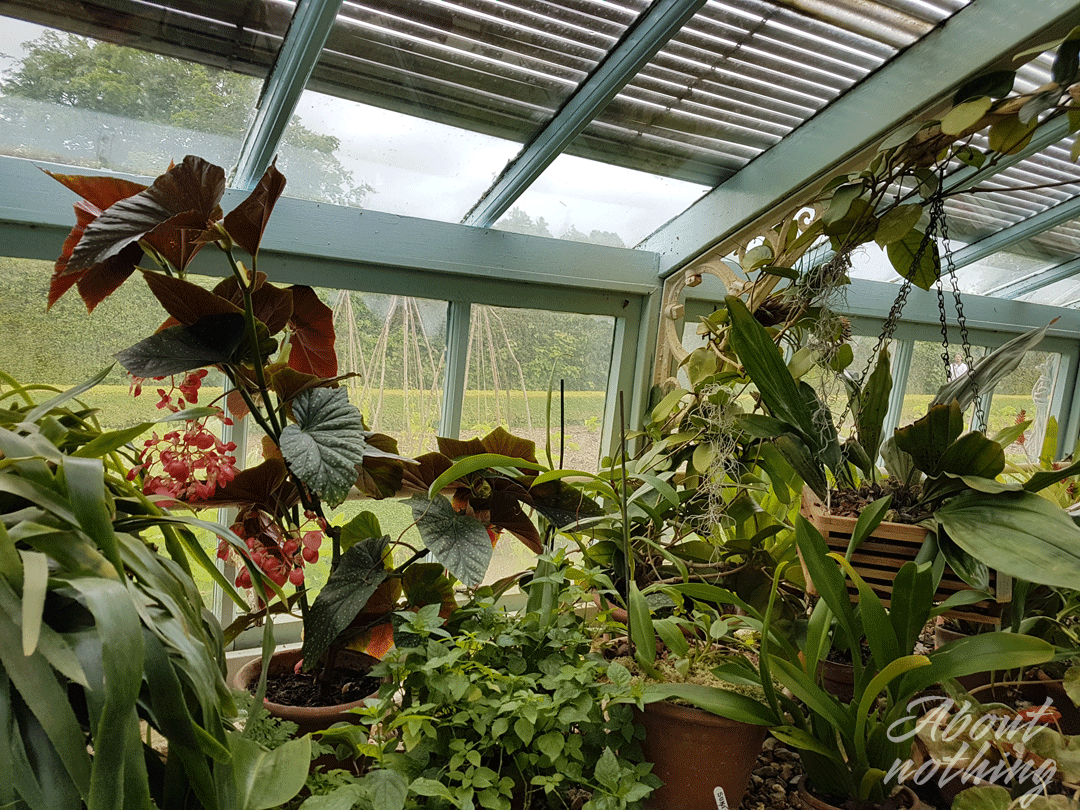
A greenhouse full of carnivorous plants
Down House from the garden
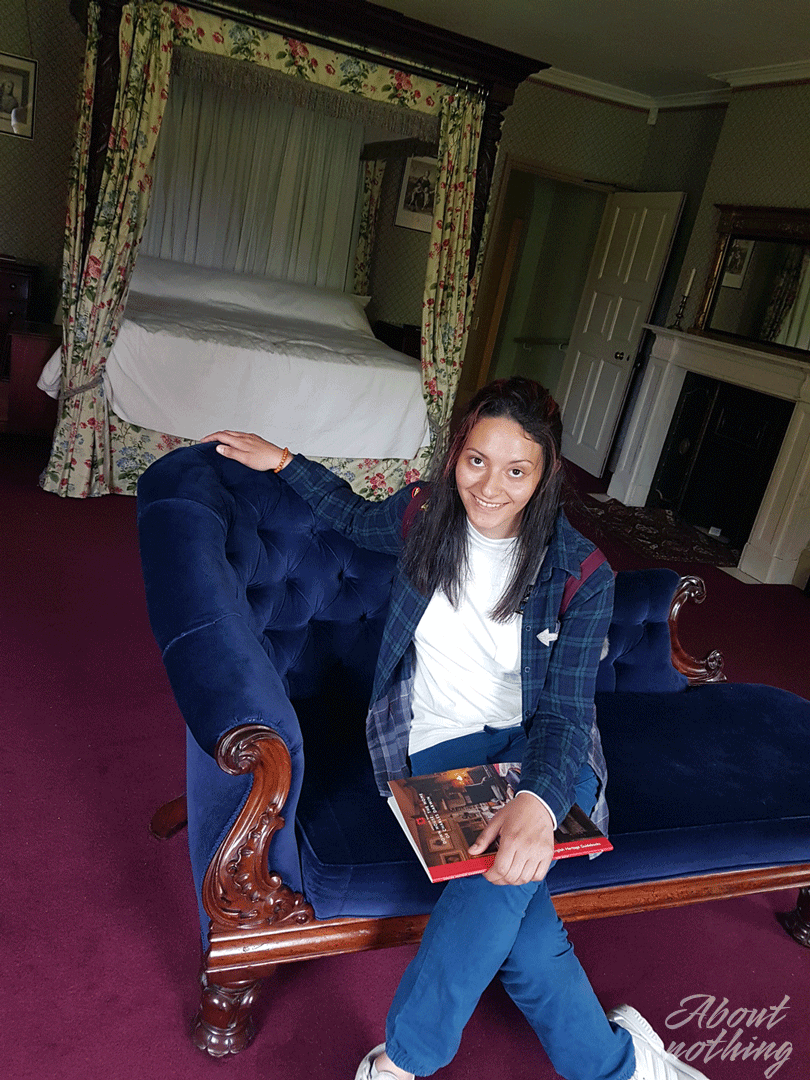
Me at Down House
Greenhouse layout
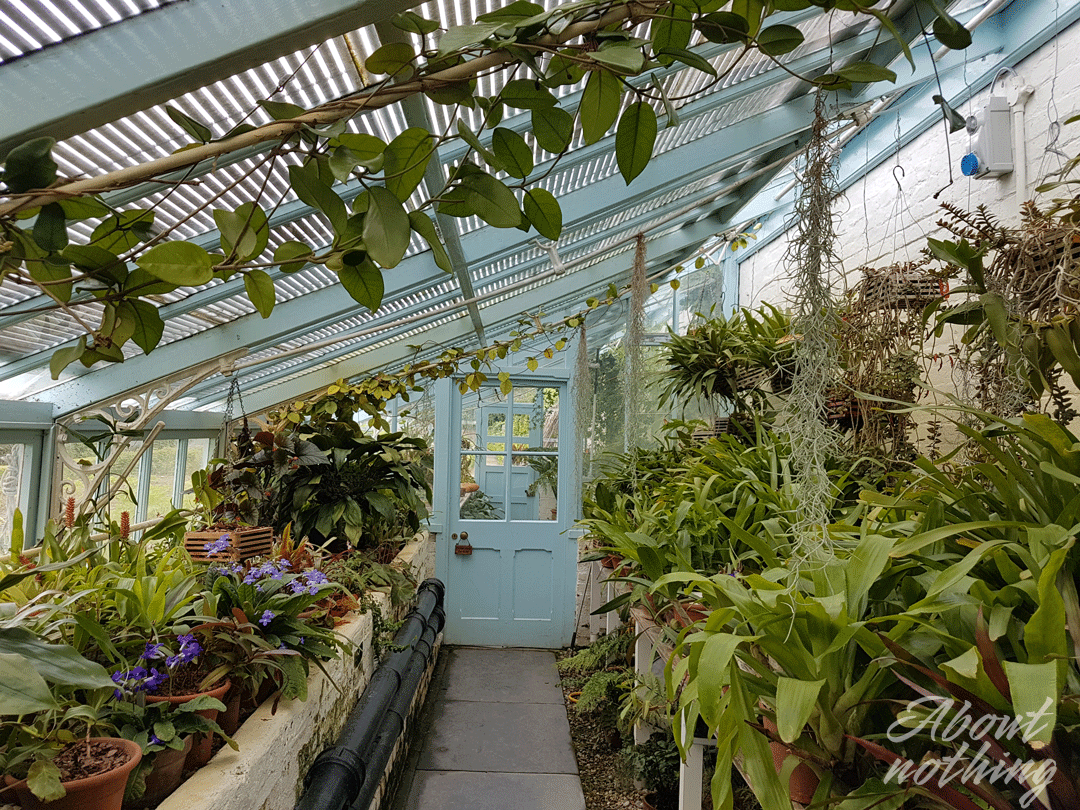
Other greenhouse plants
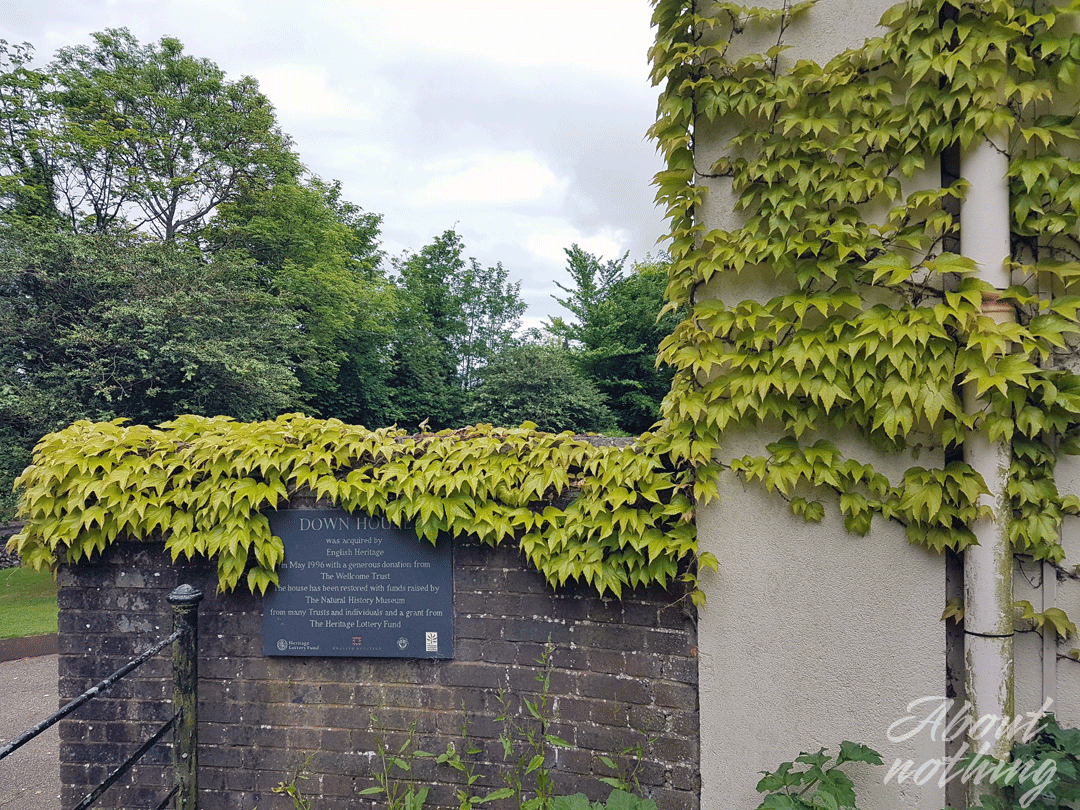
Down House is owned by English Heritage
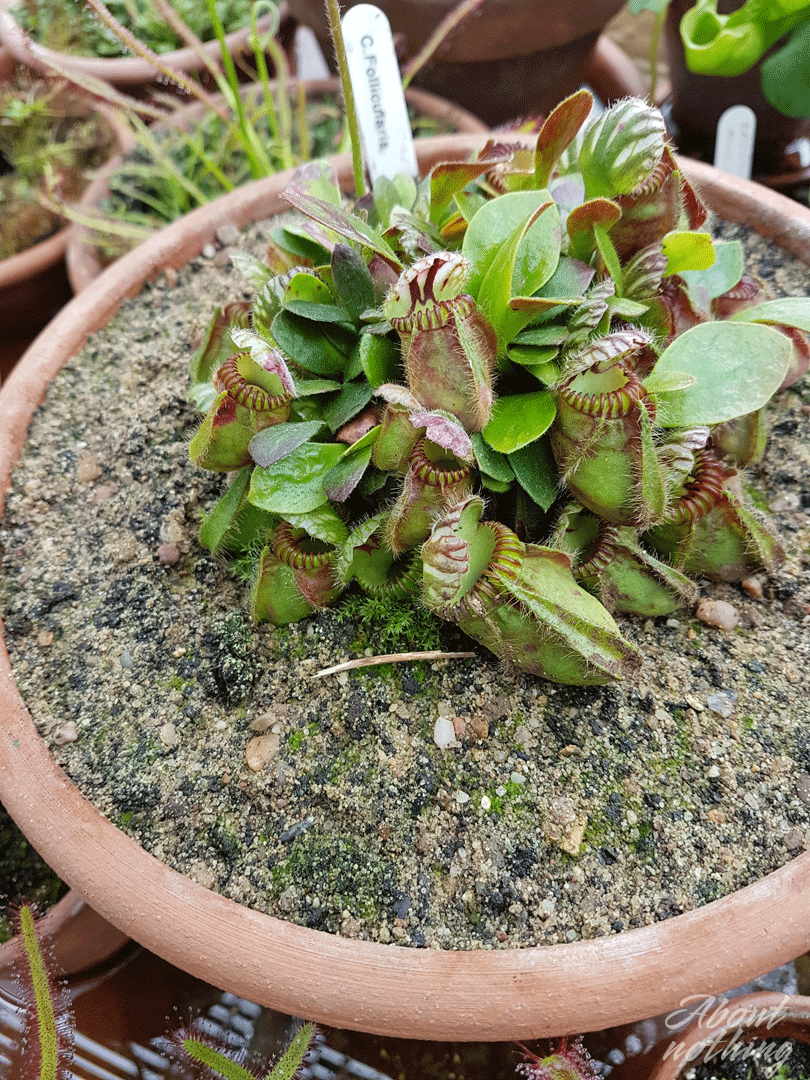
The Western Australian pitcher carnivorous plant
Exterior and more plants
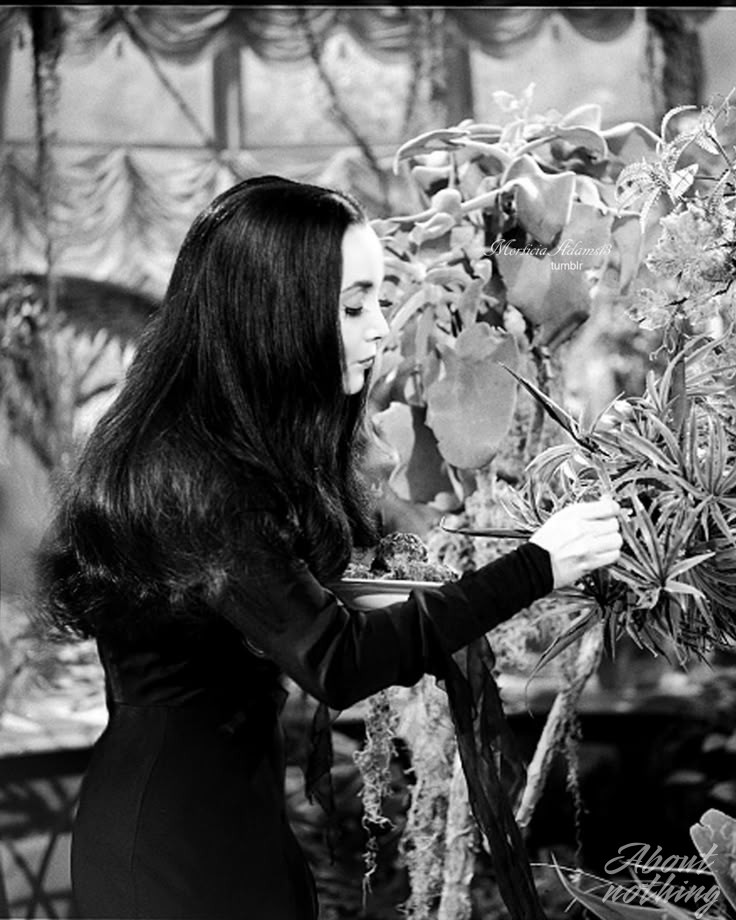
Then I started researching them seriously a few months ago, when I was thinking about what kind of plants to put on my new indoor shelves. I thought, ‘You know what would be great! A plant just like Cleopatra!’. Cleopatra, is a carnivorous African strangler owned by Morticia in ‘The Addams Family’. I loved how Cleopatra had a spicy personality, ate Zebra burgers and Morticia would talk to her. How perfect! A plant I can have as a kind of pet!
I quickly learned that, these don’t exist. But that reminded me of the venus fly traps I saw in Kent and how cool they were! Well, then I researched them, and quickly learned that they are so hard to take care of. I couldn’t have it indoors on my shelves anyway since there isn’t good humidity in the room and it wasn’t in a position with enough direct sunlight. They also need distilled or demineralised water and it wasn’t something I was willing to accommodate. Having some experience with plants, (emphasis on SOME) I knew it wasn’t possible for me to keep this plant alive so I decided against it.
Fast forward a few months, and there I was in that local Bunnings, holding this venus fly trap. I told her ‘I’ll take good care of you buddy’ and that was it.
I named her Morticia.
This is she.
Morticia the venus fly trap
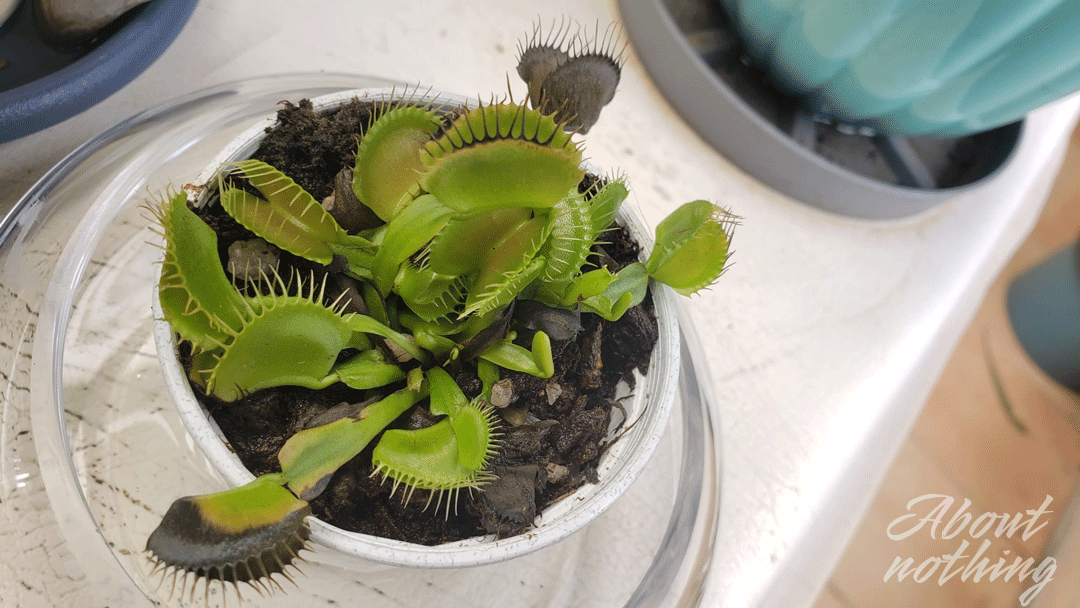
Living on my plant table
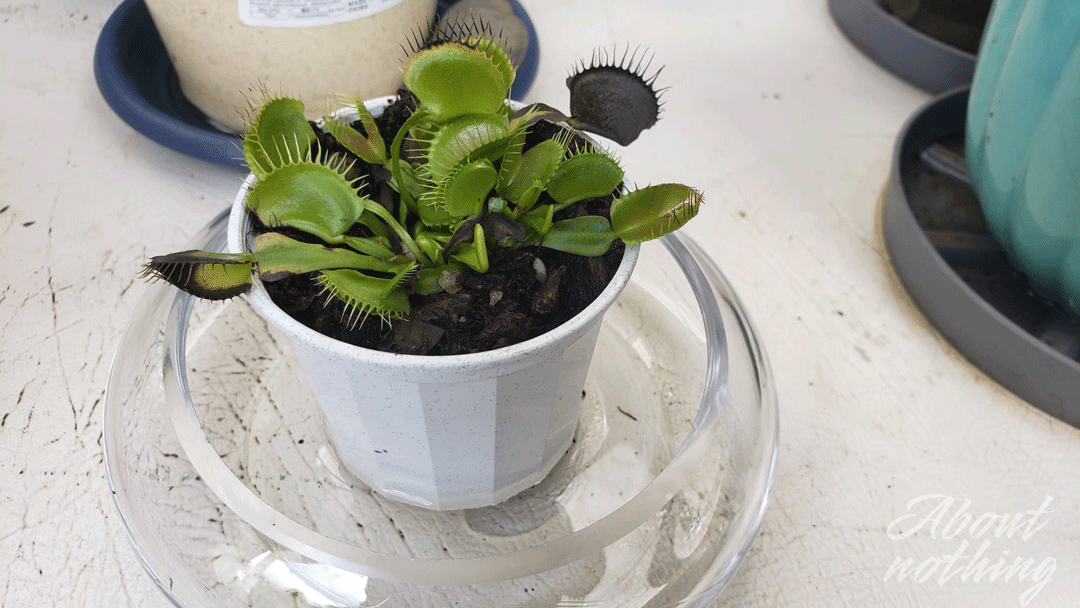
So far, I have trimmed the black leaves off, even though that isn’t necessary. This process stressed her out as I accidentally touched a few leaves which closed up. Though they opened up again the next day, which gave me hope that she is healthy.
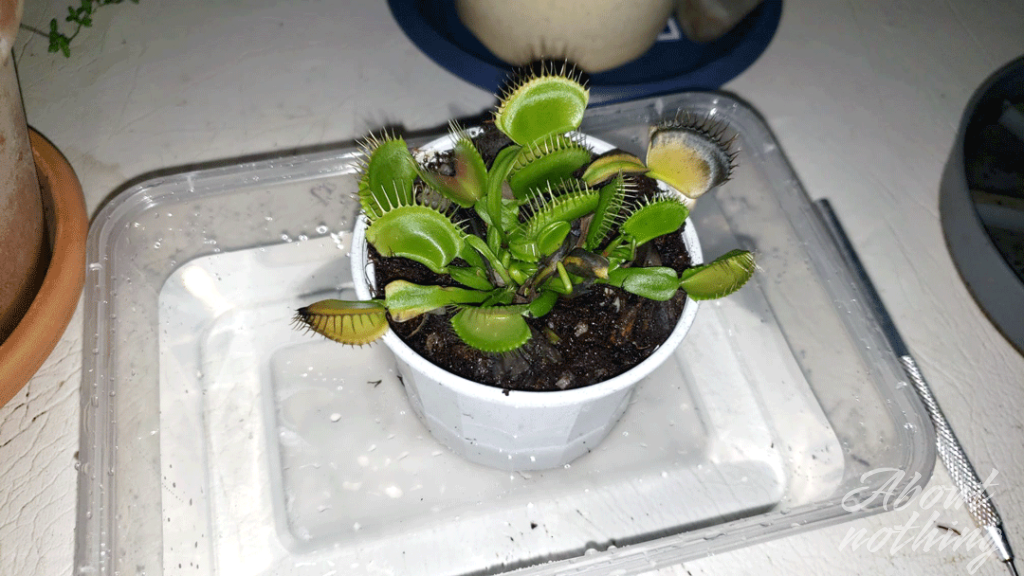
I decided to keep her outside with my other plants. All my plants are potted and kept on the back verandah. Being outside, she will feed naturally off insects that come her way, so no need to hand feed. I definitely won’t need to source any Zebra burgers.
Taking care of Morticia
When I first saw her, I noticed a lot of the leaves were black. I didn’t know what this meant, whether it’s because we’re in the middle of Autumn or because she wasn’t healthy. But I think she is healthy, just had been kept in the wrong conditions and she might have been fed hard water at the Bunnings. Wish I had taken a picture of her as soon as I bought her.
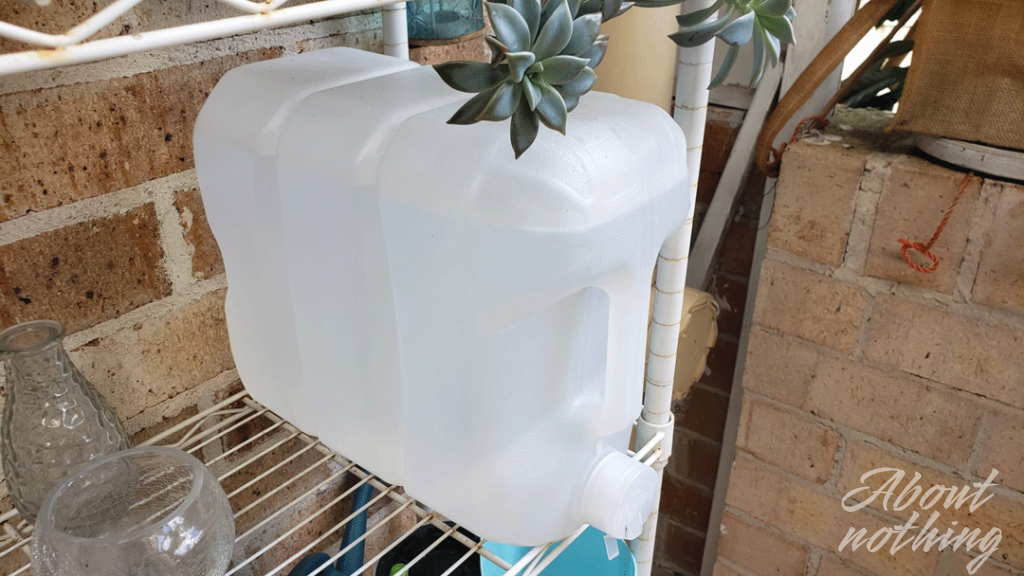
It turns out that, you can only give venus fly traps hard water for a very short amount of time and there is a chance they will live but long term hard watering will definitely lead to death. They are also meant to be watered from a tray through the bottom of their container. When I got her home, I didn’t have distilled water so I used just filtered water, which still isn’t ideal. The next day I bought a 10L jug of demineralised water, which is perfect and cost $11.
When Winter is over, I will put her in a deeper plastic container. They thrive in nutrient poor soil so don’t use normal potting soil for venus fly traps, as they contain fertilisers and are too nutrient rich so will kill the plant. You need a mixture of perlite, peat moss and maybe washed sand.
I really hope Morticia lives through the Winter as I am really excited to have a Venus Fly Trap!!
Will post updates as she progresses.
In the meantime, if anyone has any ideas of what to put on my indoor plant shelf, I’m open to suggestions! It just has to be less than 10kg in weight and not require too much sunlight.


Be First to Comment